CASE 003 · Baked Narrative Lighting / Reveal Sequence
Presidential Office
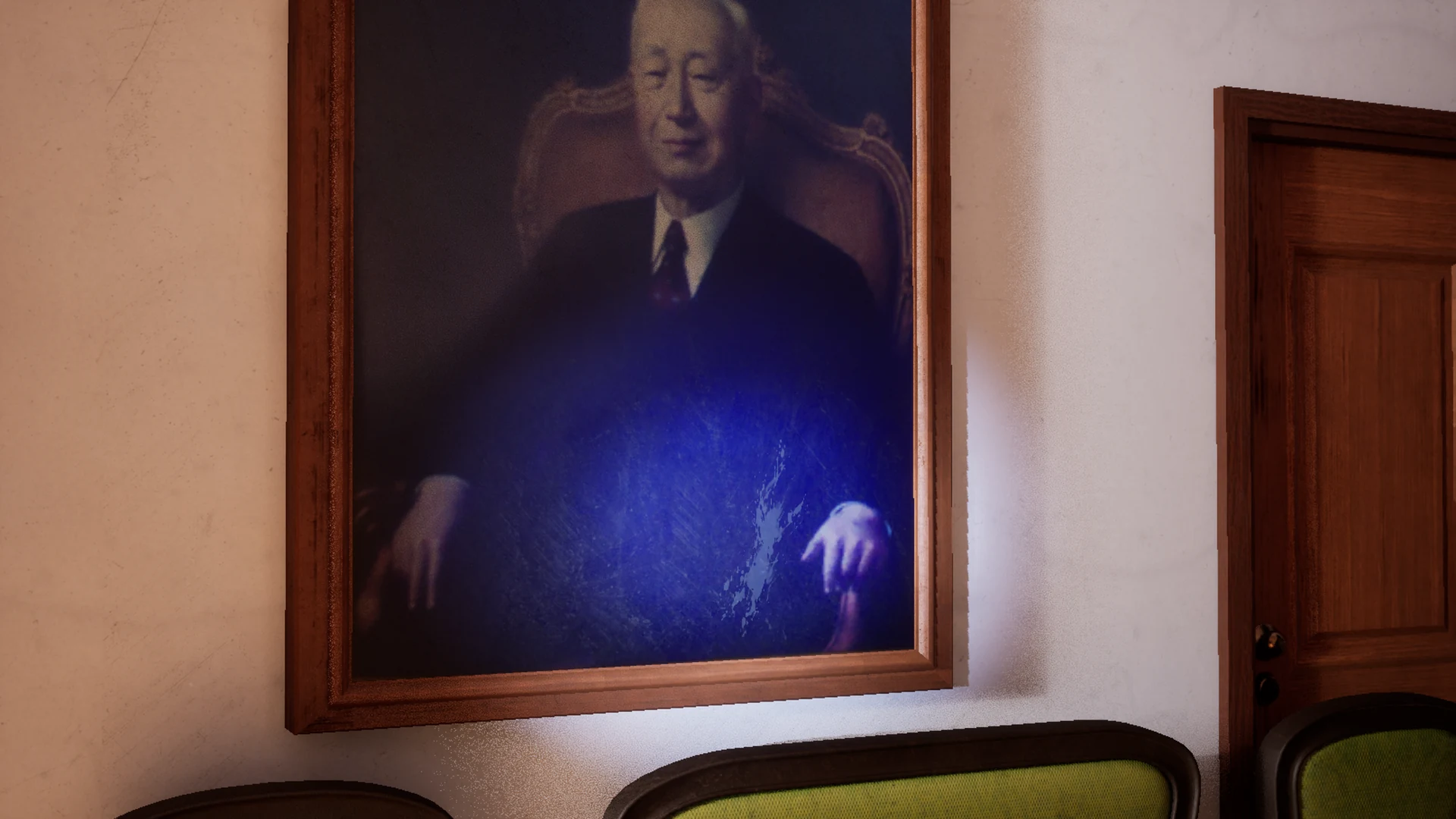
A baked-lighting narrative structured as Authority → Procedure → Reveal, ending with a brief directional inspection cue that exposes a hidden handprint.
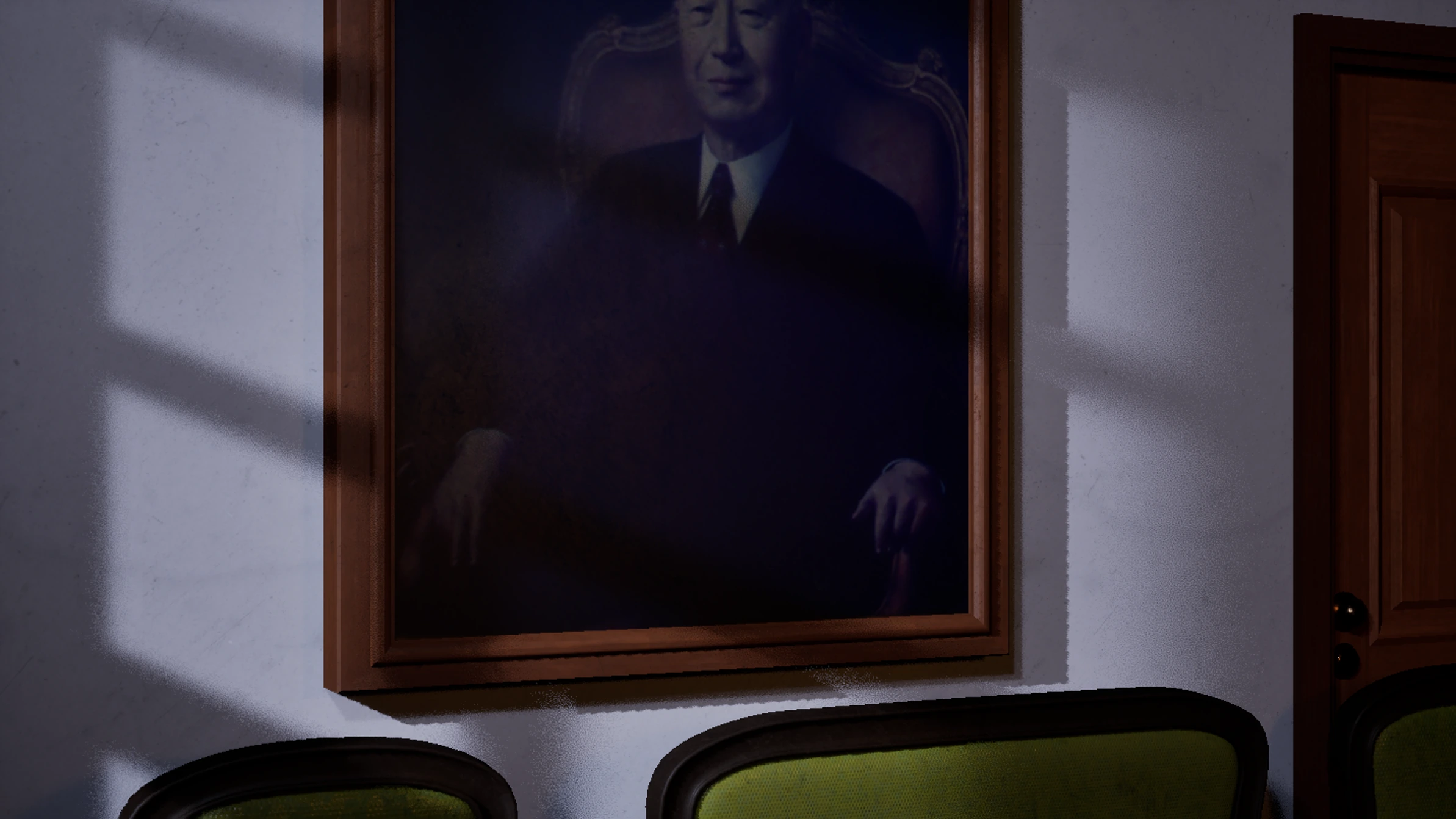
Final
Select an image to view the full size.
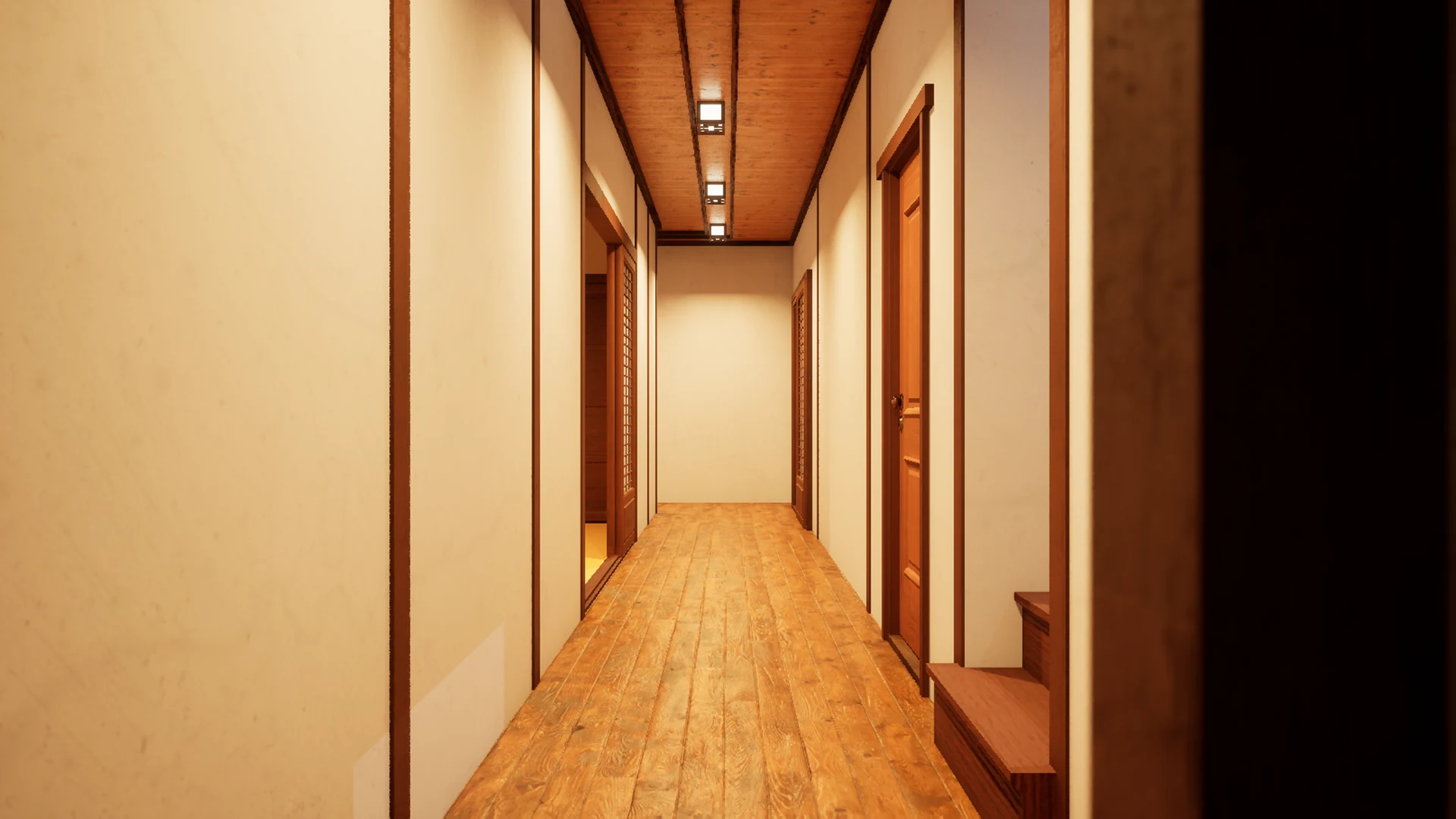
Sequence
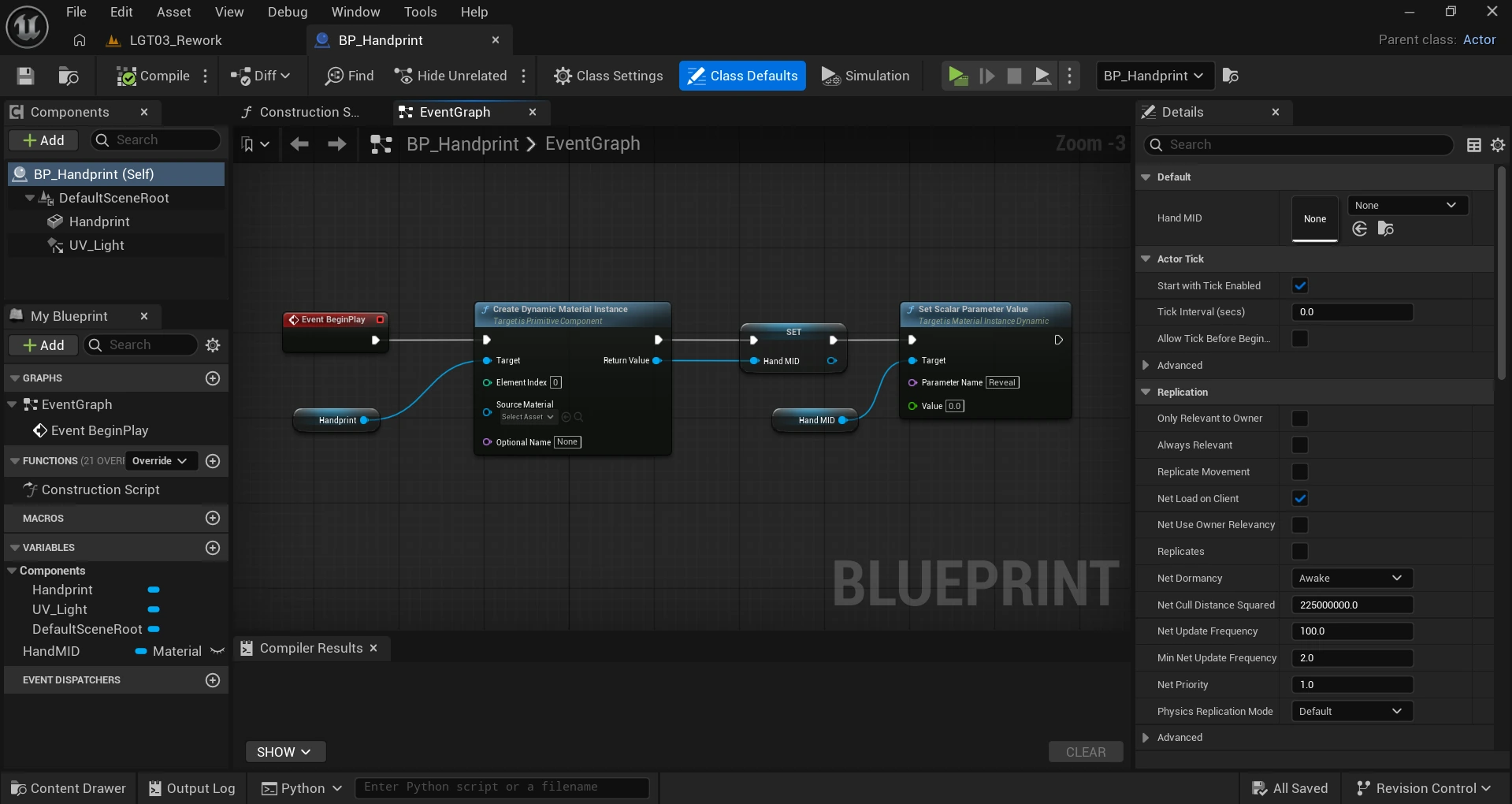
A blue-violet inspection cue brings the handprint into view, holds it briefly, and lets it recede.
Intent
Establish a stable institutional routine first, then reserve the abnormal information for the final reveal instead of announcing it in every shot.
The normal state needed controlled spatial readability without becoming generically warm or overtly supernatural, while the reveal had to expose one clue without recoloring the whole room.
Balance cool-neutral environment light with localized practicals, keep the corridor functional and even, then isolate a more saturated blue-violet inspection cue to the final reveal.
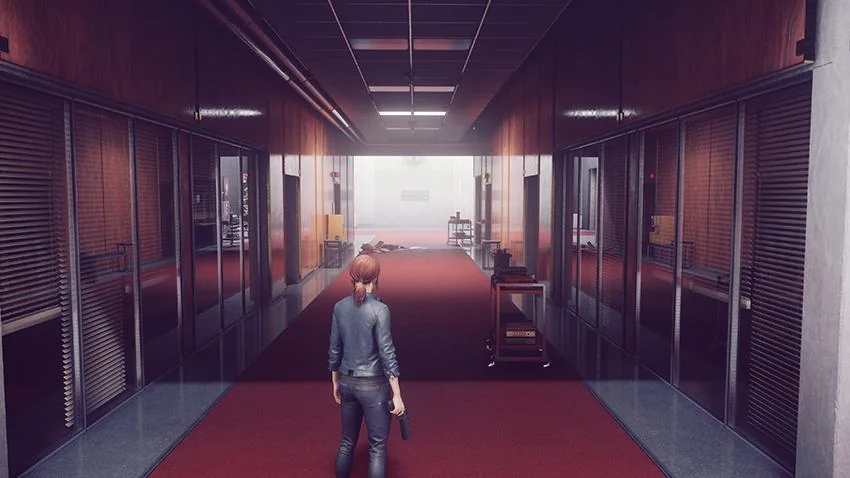
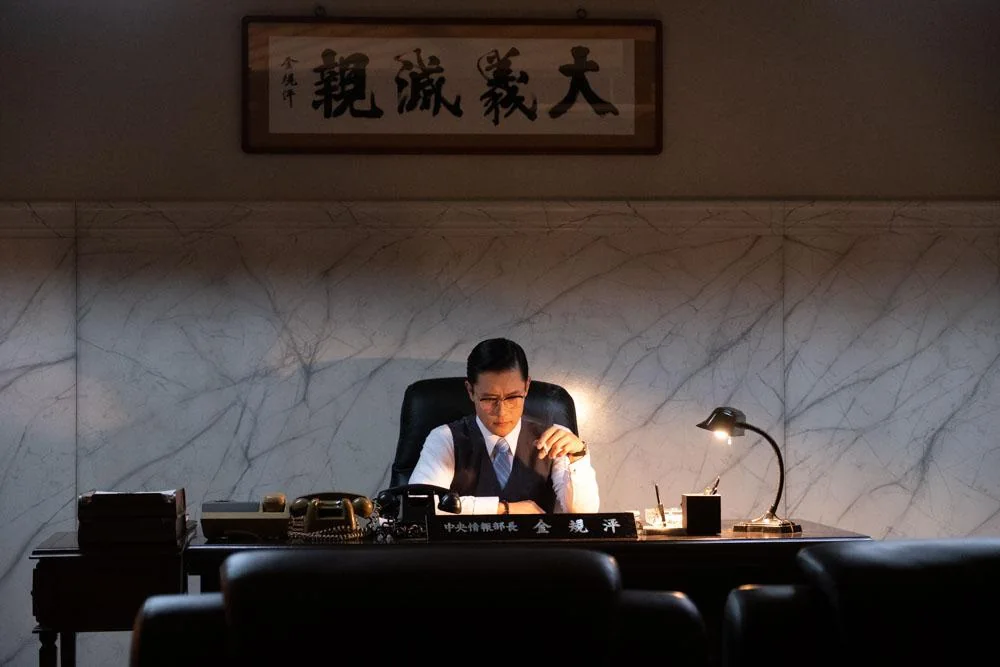
Reference
Control is translated as a narrative relationship—not copied as a red palette: normality first, anomaly last.
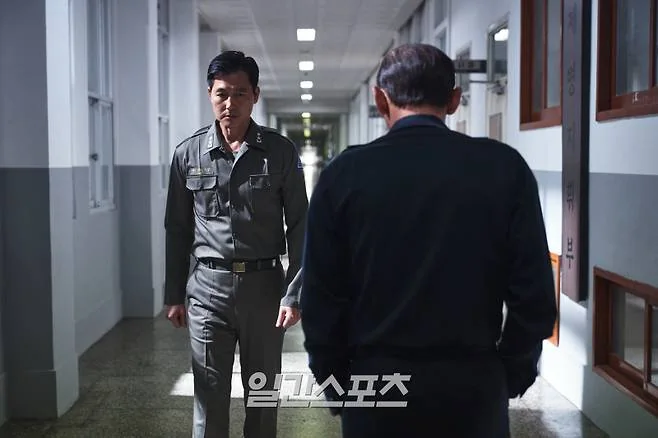
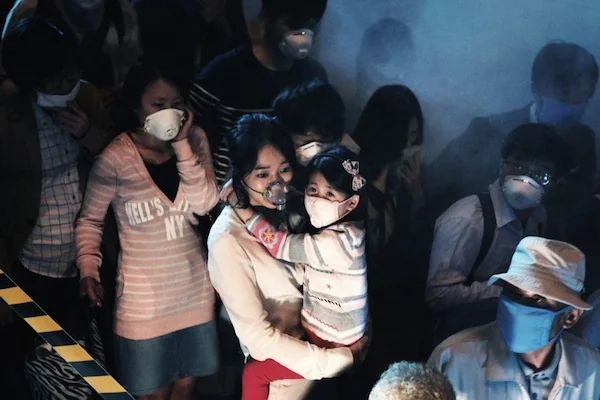
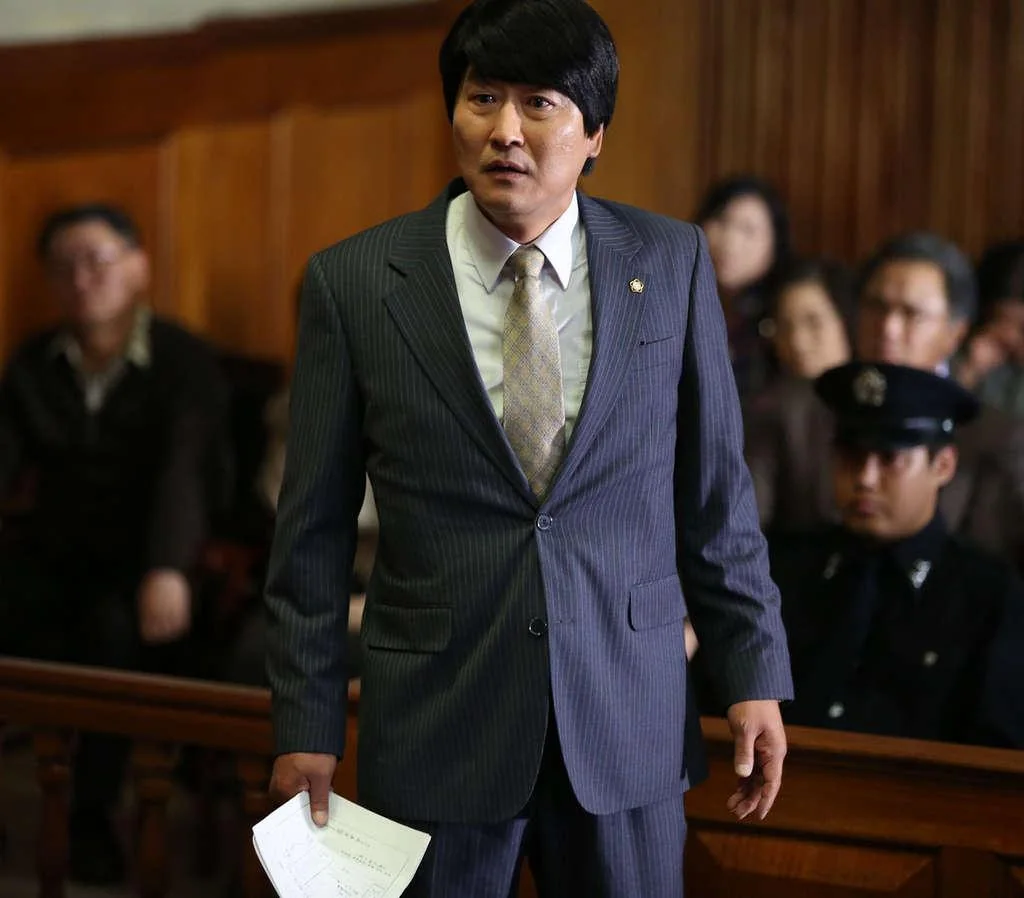
Baked Lighting Baseline
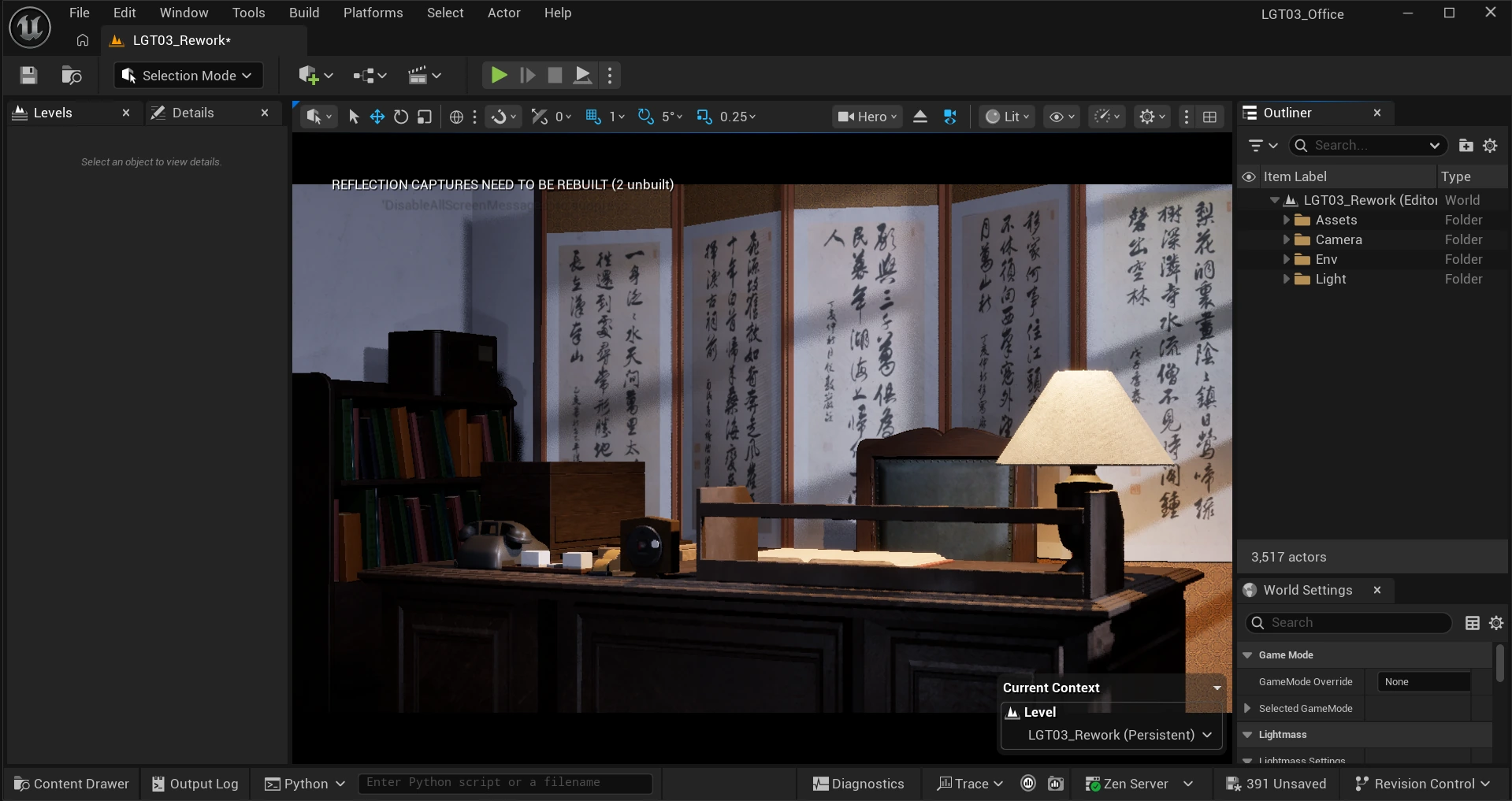
The case is authored and presented as baked lighting, with contribution captures used to verify the normal-state hierarchy.

Lighting Groups
Office environment contribution and corridor support contribution are separated before each final, clarifying which layer carries space and which layer restores selected information.
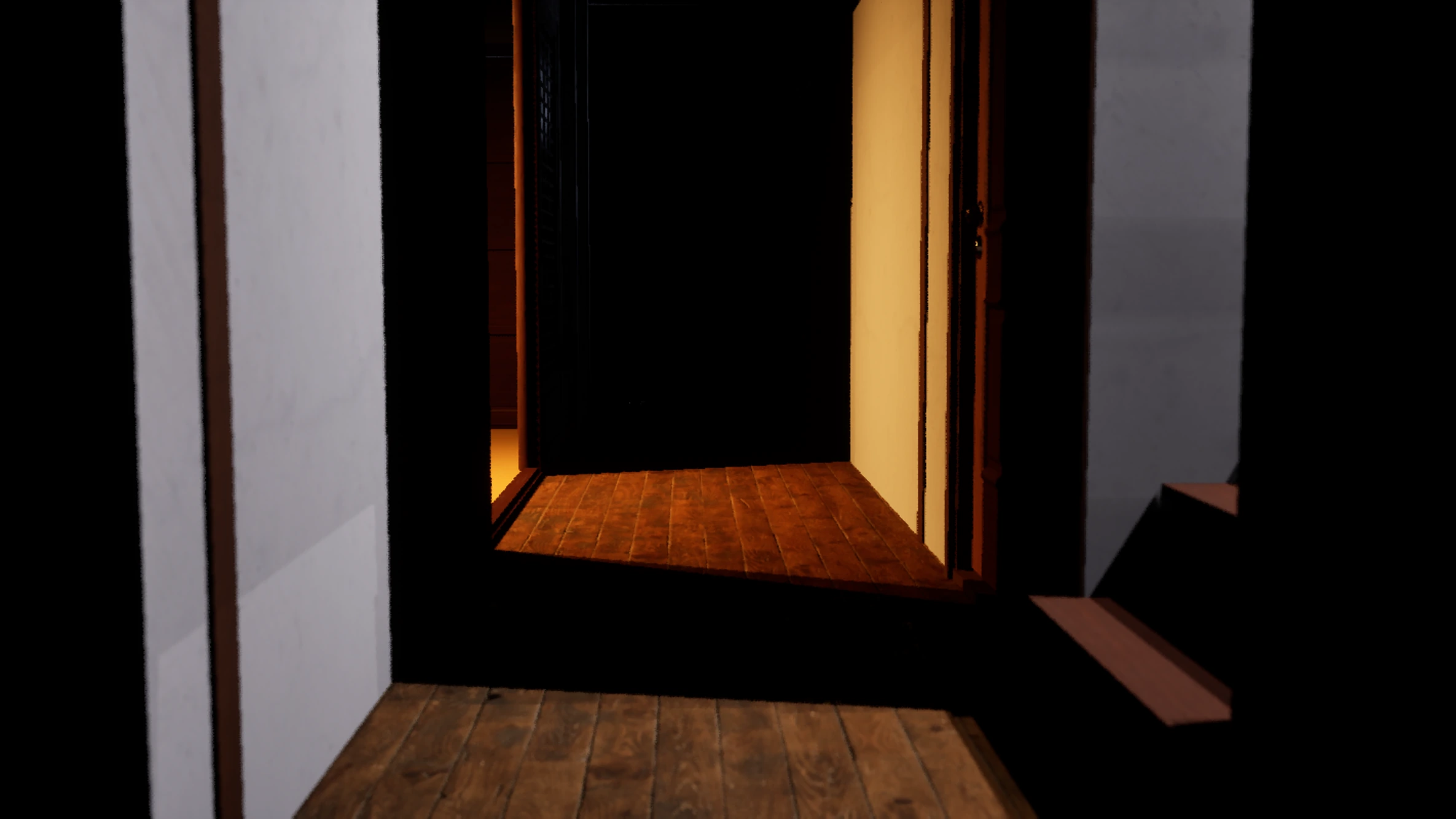
Multi-view
Authority → Procedure → Reveal controls the order in which information is released.
Breakdown
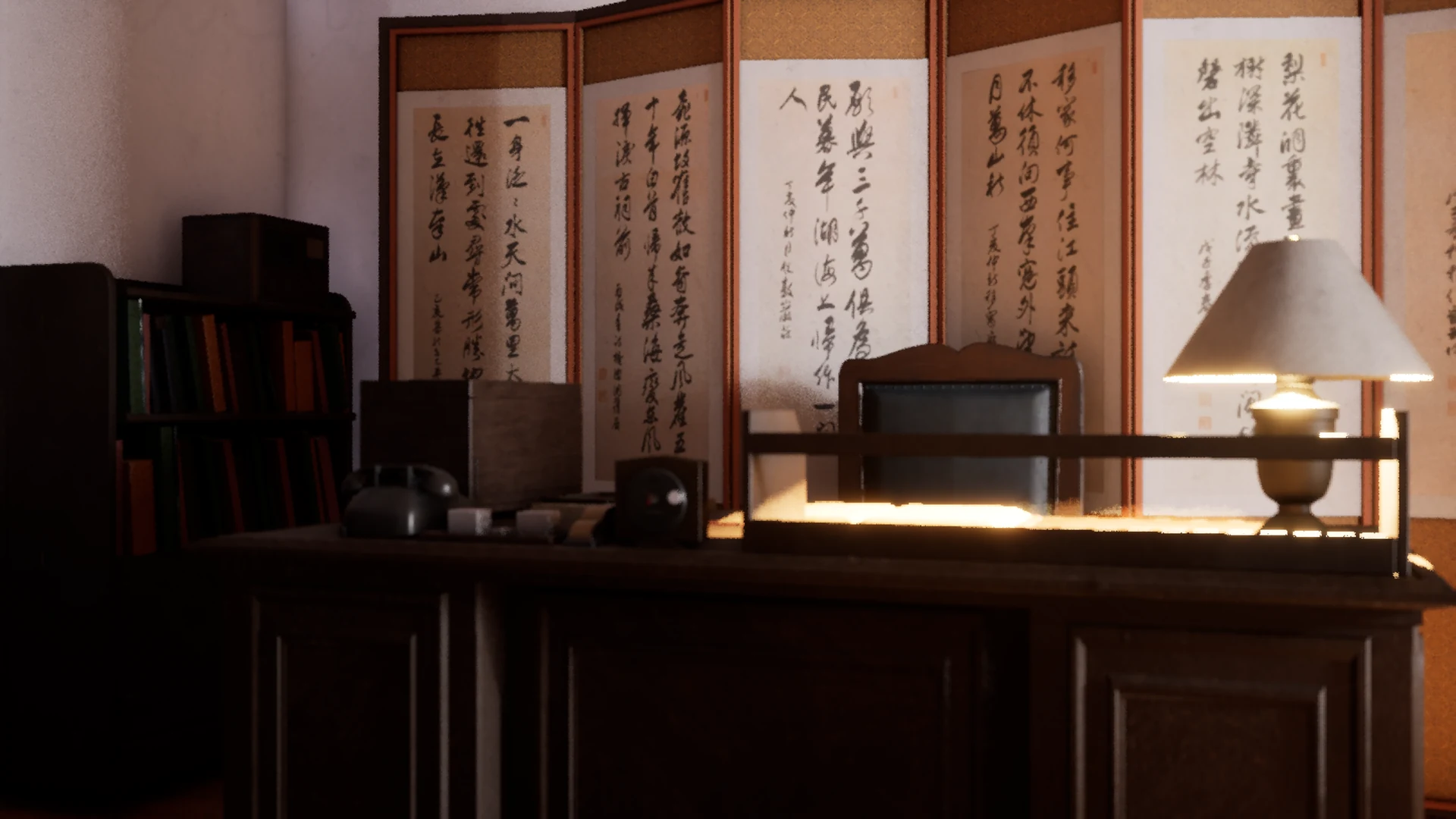
The normal state uses a restrained cool-warm balance. More saturated blue-violet light is reserved for one temporary reveal: the institution does not change; only the abnormal is briefly illuminated.
Use cool-neutral environment light for separation and localized practicals for work areas without turning the scene into one warm wash.
Keep the corridor more even and functional so the institution still feels operational.
Confine a directional, higher-saturation inspection cue to the clue and animate its appearance and disappearance in Sequencer.